
Establishing DevOps Governance
Client: Nation Wide Health Care Body
Published on: 22 September 2025
We established a complete DevOps framework from scratch for a growing healthcare team, implementing robust standards for version control, environment management, and deployment that significantly raised compliance and delivery quality across multiple critical projects
The Challenge: The Risk of Ungoverned Development
The analytics team was delivering valuable insights and applications, but their rapid growth had led to an ad-hoc development process. Without formal governance, they faced significant risks impacting quality, security, and efficiency:
- Lack of Version Control: Critical assets like Power Apps and data transformation scripts had no version history. This meant changes could be accidentally overwritten with no audit trail or ability to roll back to a stable version in case of failure.
- Inconsistent Standards: No documented standards existed, leading to applications that were difficult to maintain and heavily reliant on the original developer. This created a significant "bus factor" risk for the team.
- Unclear Accountability: Without a defined RACI matrix, roles and responsibilities were ambiguous. This led to stalled projects and duplicated effort as team members were unsure of who was accountable for key decisions.
- No Performance Metrics: A lack of Key Performance Indicators (KPIs) meant the team could not objectively measure their output, identify bottlenecks, or demonstrate their value and need for support to the wider organization.
Our Solution: A Framework for People, Process, and Quality
To address these challenges, we built a holistic governance framework from the ground up.
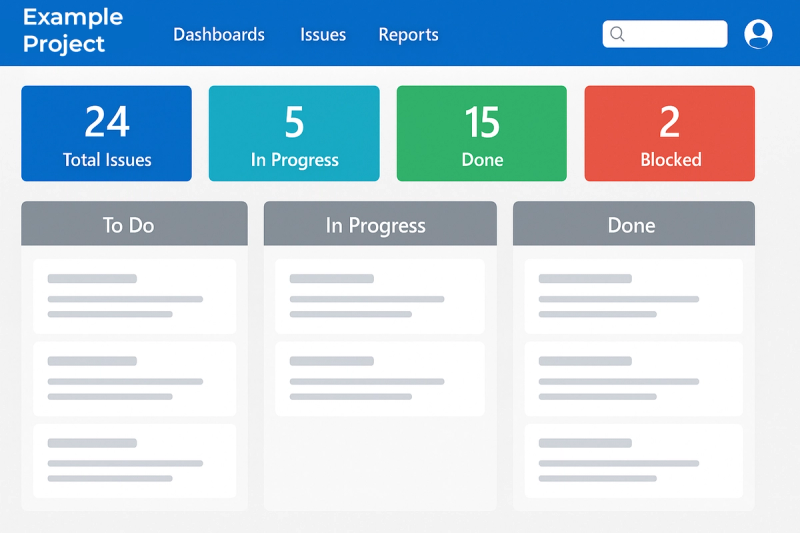
- Accountability Through a Centralised Hub: We developed a custom, Kanban-style project management app using Power Apps. This tool centralized all development requests and established tangible KPIs by tracking metrics like request-to-delivery time and bug rates. Within the app, we embedded a formal RACI matrix to assign clear ownership for every stage of a project.
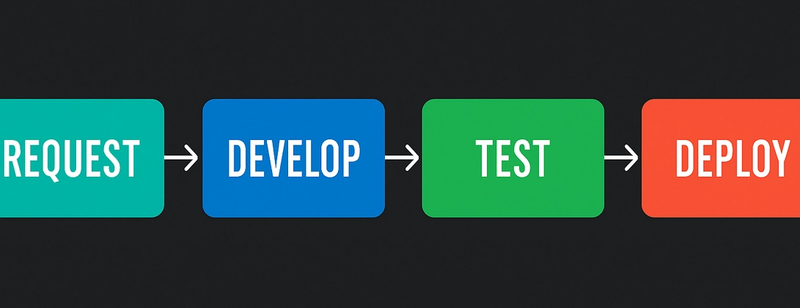
- Standard Operating Procedures (SOPs): We co-authored a comprehensive set of SOPs that defined the entire application lifecycle. These documents provided clear guidance on best practices, including mandatory peer review checkpoints, consistent naming conventions, and criteria for when to use specific technologies.
- Version Control and Enhanced Support: We introduced a clear public version numbering system for all applications to track changes effectively. To support this, we also built a lightweight debugging app that allowed users to automatically submit tickets prepopulated with key session information, drastically reducing diagnostic time.
- Team Enablement and Coaching: Recognizing that tools are only effective if people adopt them, a core part of our solution was dedicated to the team itself. We delivered hands-on training for the new systems and provided ongoing coaching to embed best practices. This focus on mentorship ensured the changes were understood, adopted, and ultimately, sustainable.
The Outcome: A Professional, High-Performing, and Empowered Team
The implementation of this framework transformed the team's operations into a professional, governed development function.
- Clear Accountability & Performance Metrics: The ticketing app and KPIs gave the team and management a clear, data-driven view of performance, bottlenecks, and successes.
- Improved Quality & Consistency: The SOPs and version control led to a significant reduction in bugs and inconsistencies, making applications more reliable and easier to maintain.
- Streamlined User Support: The new versioning system and debugging app made it much faster to identify and fix user-reported issues, improving end-user satisfaction.
- An Empowered and Sustainable Team: The focus on training and coaching created a more confident, skilled, and self-sufficient development team. This ensured the new standards were not just implemented but embraced, creating a lasting culture of quality and continuous improvement.